
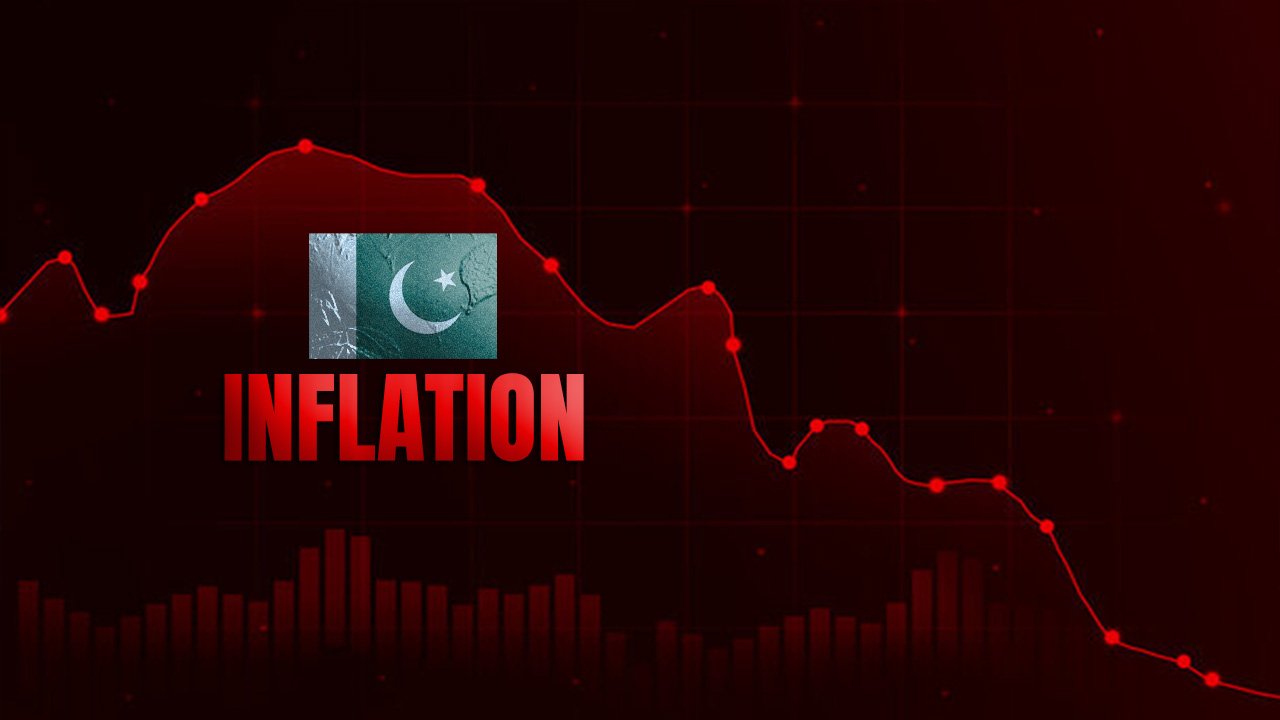

I have lived through enough price hikes in the last few years to know that inflation in Pakistan is not just a number we see on the news. It is something that shows up at the grocery store, in the electricity bill, and in the fare I pay for a rickshaw ride. Every household across the country feels the pressure differently, but the outcome is usually the same, which is less money left at the end of the month for things that used to feel affordable. When I sat down to think about what could genuinely bring relief, I realized the solutions are not complicated theories. They are practical steps that the government, businesses, and even ordinary citizens can take together.
In this article, I want to walk through ten ways to decrease inflation in Pakistan, along with a closer look at the reasons for inflation and how inflation and the pressures on the education system are connected in ways many people overlook.
Understanding Inflation in Pakistan Today
Before looking at solutions, it helps to understand where we stand right now. The inflation rate in Pakistan has moved up and down sharply over recent years, driven by currency depreciation, energy price adjustments, and global commodity shifts. What strikes me most is how inflation in Pakistan does not affect everyone equally. A salaried family in a city might absorb higher prices by cutting back on eating out, while a daily wage worker in a rural area may have to skip meals or pull a child out of school. This is why tackling inflation in Pakistan is not just an economic issue; it is a matter of everyday dignity for millions of families.
1. Strengthening the Local Currency
One of the clearest reasons for inflation in Pakistan is the weakening of the rupee against major foreign currencies. When the currency loses value, everything we import, from fuel to machinery to raw materials, becomes more expensive almost overnight. Strengthening the rupee through better foreign reserves, controlled borrowing, and export growth would directly ease the inflation rate in Pakistan. I have noticed that even small improvements in currency stability tend to calm market prices faster than most people expect.
2. Controlling Government Spending
Government spending that outpaces revenue often leads to borrowing, and borrowing tends to push more money into circulation without matching production. This imbalance is one of the classic reasons for inflation in Pakistan. A more disciplined budget, with spending directed toward productive projects rather than short-term relief measures, would help reduce inflation in Pakistan over time. It is not an easy path politically, but it is one of the most reliable ways to bring lasting stability.
3. Boosting Local Agriculture Production
Pakistan is an agricultural country, yet food prices remain one of the biggest contributors to inflation in Pakistan. I have spoken with small farmers who struggle with outdated irrigation systems, expensive fertilizer, and unpredictable weather. Investing in modern farming techniques, better seed quality, and water management would increase the local food supply and reduce the need for costly imports. A stronger agricultural base is one of the most direct ways to lower the inflation rate in Pakistan, since food makes up such a large share of household spending.
4. Reducing Reliance on Imported Goods
Every time the country imports goods that could be produced locally, it adds pressure to the trade balance and, in turn, to inflation in Pakistan. Encouraging local manufacturing, from textiles to electronics to household items, would reduce the outflow of foreign currency and create local jobs at the same time. I believe this is one of the more underrated reasons for inflation in Pakistan, because it is easy to blame global prices while ignoring how much we could produce at home.
5. Improving Energy Production and Supply
Energy costs touch almost every part of the economy, from transport to manufacturing to household bills. Frequent increases in electricity and fuel prices are among the most visible reasons for inflation in Pakistan. Expanding renewable energy sources, reducing transmission losses, and fixing inefficiencies in the power sector would lower production costs across industries. When energy becomes more affordable, the ripple effect on inflation in Pakistan is significant, because cheaper energy means cheaper goods and services almost everywhere.
6. Encouraging Small Business Growth
Small businesses are often the backbone of local economies, yet they face heavy taxation, limited access to credit, and complicated regulations. Supporting small business growth through easier loans, simplified registration, and tax relief would increase competition and keep prices more reasonable. I have seen how a single new shop opening in a neighborhood can bring prices down simply through healthy competition. This kind of grassroots economic activity is a practical way to ease inflation in Pakistan from the ground up.
7. Managing Interest Rates Wisely
The State Bank plays a central role in controlling inflation in Pakistan through interest rate policy. Raising rates too aggressively can slow down business investment, while keeping them too low can fuel excessive borrowing and spending. Finding the right balance is one of the more technical but essential tools for managing the inflation rate in Pakistan. From what I have observed, gradual and predictable rate adjustments tend to build more public trust than sudden, sharp changes.
8. Strengthening Tax Collection
A narrow tax base forces the government to rely more heavily on indirect taxes and borrowing, both of which contribute to inflation in Pakistan. Broadening the tax net so that more sectors and individuals contribute fairly would reduce the pressure to print more money or take on additional debt. I think this is one of the fairest ways to address the reasons for inflation, since it shares the responsibility more evenly across society rather than placing the burden mainly on consumers through higher prices.
9. Investing in Infrastructure and Transport
Poor roads, outdated ports, and inefficient supply chains add hidden costs to almost every product sold in the country. Improving transport infrastructure would lower the cost of moving goods from farms and factories to markets, which in turn helps ease inflation in Pakistan. I have noticed that produce prices often spike simply because of delays and spoilage during transport, not because of an actual shortage. Fixing these logistical gaps is a practical and often overlooked way to stabilize prices.
10. Linking Inflation and Education System Reforms
This is a point I feel strongly about, because inflation and the education system challenges are deeply connected in ways that do not get enough attention. As prices rise, families cut back on school fees, books, and transport for their children, which affects long-term human capital and future productivity. A better-educated workforce eventually contributes to stronger economic output, which helps control inflation in Pakistan over the long run. Investing in affordable and quality education today is, in many ways, an investment in lower inflation tomorrow.
Common Reasons for Inflation in Pakistan
Looking back at all ten points, a few reasons for inflation keep repeating themselves, including currency depreciation, high energy costs, heavy reliance on imports, and inconsistent fiscal policy. Understanding these root causes makes it easier to see why inflation in Pakistan cannot be solved with a single quick fix. It requires coordinated effort across agriculture, energy, taxation, and education sectors working together rather than in isolation.
Finance Expert’s Opinion
Writing this piece for Truth Social Business, I kept coming back to one idea, which is that reducing inflation in Pakistan is possible. Still, it takes patience and consistent policy rather than short-term fixes. Every family I know has adjusted their spending habits in some way over the past few years, and that adaptability says a lot about the resilience of people here. With the right combination of stronger local production, disciplined spending, fair taxation, and investment in education, the inflation rate in Pakistan can gradually move toward a more stable and predictable path. It will not happen overnight, but each of these ten steps brings the country a little closer to lasting relief.