
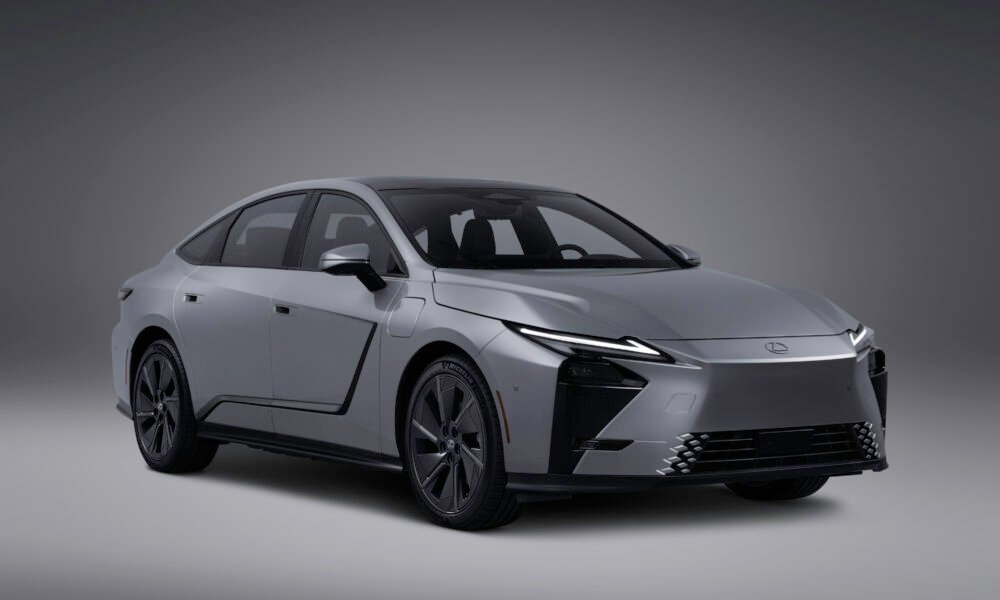

Article Highlights
• The 2026 Lexus ES 350e recorded 293 miles in a real-world range test, one mile above its EPA estimate of 292 miles with 21-inch wheels.
• The ES 350e achieved an efficiency of 26.6 kWh per 100 miles, beating its EPA rating of 28 kWh per 100 miles.
• The Audi A6 e-tron reached 402 miles, and the BMW i5 xDrive40 achieved 321 miles in the same test, both comfortably ahead of the Lexus.
• The Lexus ES 350e Premium starts at $48,795, making it significantly more affordable than the Audi A6 e-tron at $65,900 and the BMW i5 at $70,100.
• The 2026 Lexus ES is the brand’s first core model to offer both electric and hybrid powertrains across its eighth-generation lineup.
Lexus ES EV Real World Range Test
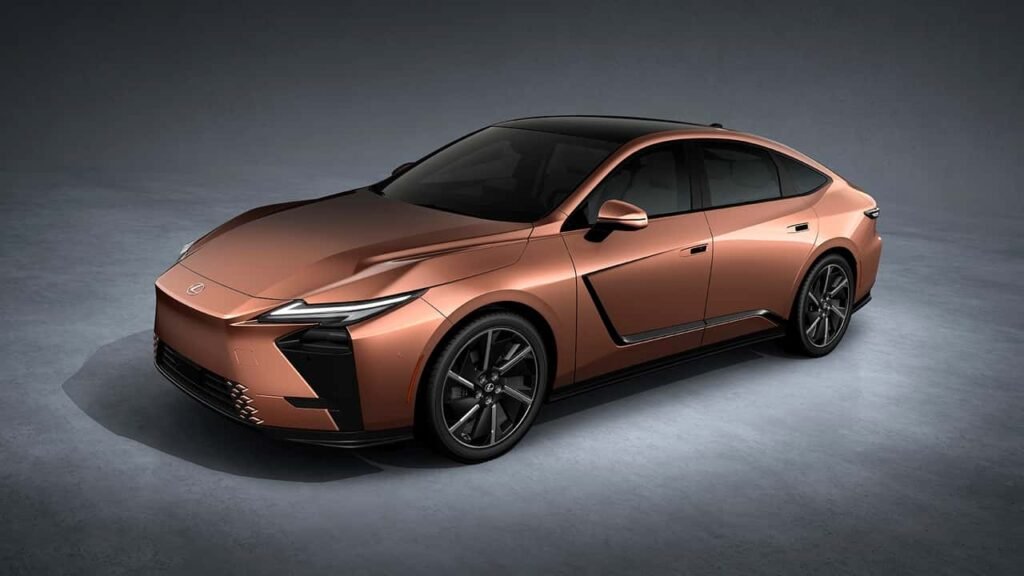
When the 2026 Lexus ES 350e arrived as the brand’s first fully electric core model, I was genuinely curious about one thing: how would the Lexus ES EV’s real-world range hold up once you take it out of the lab and onto actual roads? Lexus had been cautious with its EPA estimates, and now that independent testing has put real numbers on the table, it is worth looking at what those results actually mean for drivers considering this car.
The all-new eighth-generation Lexus ES marked a turning point for the luxury brand. For the first time, this iconic sedan became available with both electric and hybrid powertrains, built on what Lexus calls a multi-platform architecture. The electric version comes in two variants: the front-wheel-drive ES 350e and the all-wheel-drive ES 500e, each available in Premium or Luxury trim. It is a bold step for a brand that has traditionally been cautious about going fully electric, and the question of real-world usability was always going to be central to how this car would be judged.
The Edmunds EV Range test put the ES 350e through its paces under real driving conditions, and the Lexus ES EV’s real-world range came in at 293 miles. That is one mile above the EPA estimate for the 21-inch wheel configuration, which is rated at 292 miles. The same car with 19-inch wheels carries an EPA estimate of 307 miles, so wheel choice clearly makes a meaningful difference if range is your priority. Seeing it clearly, the EPA estimate, even by a small margin, is genuinely reassuring, because many EVs fall short rather than exceed their ratings in independent testing.
The efficiency numbers tell a similarly positive story. The ES 350e recorded 26.6 kWh per 100 miles during the Edmunds test, which beats the EPA figure of 28 kWh per 100 miles. That kind of energy efficiency matters in everyday use, especially during stop-and-go city driving, where regenerative braking can make a real difference. For most commuters who drive 30 to 50 miles a day, 293 miles of Lexus ES EV real-world range is more than enough to cover several days without needing to charge.
Still, when I look at how this compares against key rivals in the luxury EV sedan space, the picture becomes more complicated. The 2026 Audi A6 e-tron managed an impressive 402 miles in the same Edmunds test. The BMW i5 xDrive40, tested with 21-inch wheels just like the Lexus, reached 321 miles. Both of those are meaningful gaps, and buyers who prioritize range above all else will notice. The Lexus ES EV’s real-world range of 293 miles does not compete with those numbers, and there is no sugarcoating that fact.
At the same time, I think it is important to put that gap in context. The Lexus ES 350e Premium starts at $48,795, including the delivery fee. The Audi A6 e-tron begins at $65,900, and the BMW i5 xDrive40 carries a starting price of $70,100. That is a difference of more than $17,000 to over $21,000 compared to the Lexus. If you can live with the Lexus ES EV’s real-world range in your daily routine, which most drivers genuinely can, then the pricing advantage is significant.
The Edmunds EV Range test is designed to reflect conditions that real drivers actually encounter. The methodology consists of 60 percent city driving and 40 percent highway driving, with an average speed of 40 miles per hour. The vehicle is set to its most efficient mode, climate control is left on auto at 72 degrees Fahrenheit, and testers stay within 5 miles per hour of the posted speed limit. It is not a perfect simulation of every driver’s habits, but it is one of the most consistent and transparent testing protocols available, which makes comparisons like this genuinely useful.
Over at Automotive, we have been keeping a close eye on how new electric luxury sedans perform once real testing strips away the marketing language. The Lexus ES EV’s real-world range result is not a disappointment so much as it is an honest reflection of where this car sits in the market. Lexus positioned the ES 350e as an accessible entry into the luxury EV segment, not a long-range road trip machine, and the pricing backs that up.
There is also something worth saying about the Lexus ownership experience itself. Reliability, refinement, and interior quality have always been the core reasons people choose Lexus, and those factors do not disappear just because the drivetrain has changed. The 2026 ES offers a beautifully finished cabin, smooth and quiet ride characteristics, and the kind of brand confidence that comes from decades of consistent quality. For buyers who plug in every night and rarely venture beyond a couple of hundred miles from home, the Lexus ES EV’s real-world range of 293 miles is entirely practical.
Looking ahead, Lexus is not slowing down its EV push. The 2026 RZ is already on sale alongside three new Toyota EVs, and later this year, the brand plans to launch its first three-row electric SUVs. The 2027 TZ and the Highlander BEV will bring Lexus into a segment that matters a great deal to American buyers. So the ES is just one part of a broader electric strategy that is clearly picking up momentum.
My overall read on the Lexus ES 350e is that it is a genuinely solid electric luxury sedan that delivers on its core promise. The Lexus ES EV’s real-world range is honest, its efficiency is better than the EPA suggests, and it comes in at a price that makes the competition look expensive. Where it falls short against the Audi and BMW in pure range terms, it makes up for it with value and the Lexus badge. Whether that trade-off works for you depends entirely on how you use your car, but for the right buyer, this is a very compelling package.