


Key Highlights
- A Kerala woman was arrested after a man she accused of harassment on a bus died by suicide following online backlash.
- The viral video sparked a national debate about social media harassment, public shaming, and sexual harassment in India.
- The accused man’s family says he was innocent and devastated by what they called an online trial.
- The woman, a social media content creator, was charged with abetment to suicide and remanded to judicial custody.
- The case raises serious questions about accountability, public shaming, and the power of social media harassment.
The Incident That Shook India
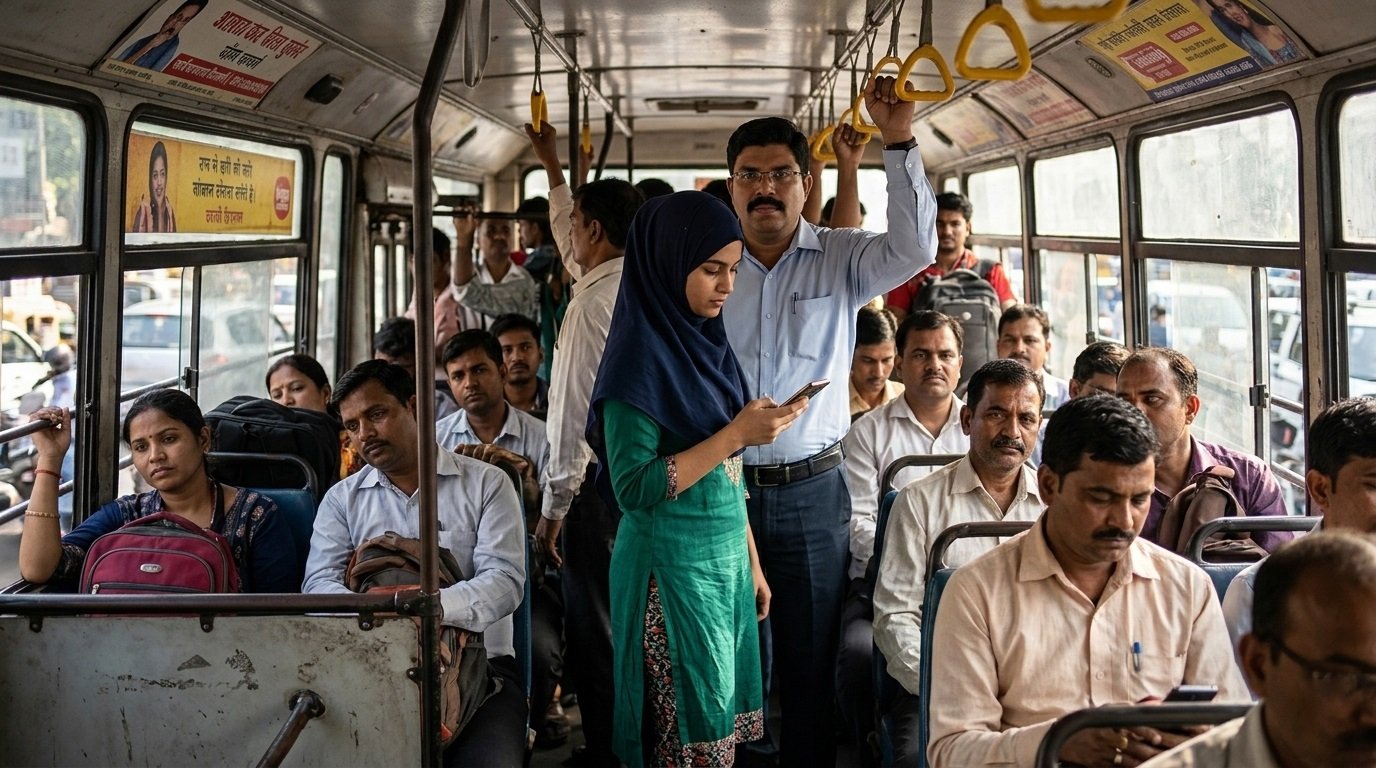
In January 2025, a straightforward bus ride in Kozhikode, Kerala, turned into one of the most talked-about social media stories in recent Indian history. Deepak U, a 42-year-old sales representative, was travelling home when a fellow passenger, Shimjitha Musthafa, recorded a video accusing him of touching her inappropriately. That video went viral within hours, and two days later, Deepak was dead.
This case is not just about one man or one woman. It is about all of us and how we behave online. It is about the consequences of social media harassment and what happens when a public post replaces a proper process.
What Happened on That Bus
Musthafa, a 35-year-old content creator associated with the Indian Union Muslim League, posted the video she recorded on the bus as evidence against Deepak. She accused him of deliberately elbowing her in the breast in a crowded public space.
Se*ual harassment in crowded buses and trains is a very real and serious problem across India. Women face it daily, often without any support or recourse. That reality is important context here. Many viewers who watched the video immediately sympathized with Musthafa, and the clip spread rapidly across platforms.
Deepak, however, denied everything. His friends say he was exhausted from a long day and had not even noticed who was standing near him in the packed bus. He was reportedly planning to consult a lawyer and take legal action against Musthafa for what he felt was a false accusation.
He never got that chance.
The Human Cost of Social Media Harassment
Deepak died by suicide on January 18, 2026, one day after his 42nd birthday. He was his parents’ only child. His mother’s health deteriorated after his death. His family and friends describe him as a gentle, decent man who could not bear what they called a social media trial.
His friend Asgar Ali told reporters that Deepak was deeply distressed after the video went viral. He had told Ali he was too tired that day to even pay attention to who was standing around him. The accusation, combined with the wave of online condemnation, broke him.
This is what social media harassment can do. It does not wait for facts. It does not allow for nuance. It moves fast, burns bright, and sometimes leaves real people in ruins.
The Arrest and Legal Action
After Deepak’s mother filed a formal complaint, Kerala Police registered a case against Musthafa under a non-bailable charge of abetment to suicide. She was taken into custody and remanded to judicial custody for 14 days. The Kerala State Human Rights Commission also stepped in, directing police in Kozhikode district to submit an investigation report within a week.
Before her arrest, Musthafa posted a second video insisting that Deepak had crossed a clear boundary and that it was neither an accident nor a misunderstanding. She said she had recorded the video because she noticed another young woman nearby who appeared disturbed by Deepak’s alleged behaviour.
A Nation Divided
The case triggered a heated and deeply emotional national conversation. Men’s rights groups rallied around Deepak’s memory, arguing that the video did not conclusively prove any wrongdoing and that he was destroyed by public shame before any investigation took place.
Many women, on the other hand, shared their own experiences of being groped and harassed in buses and trains. They pointed out that women in India rarely get believed or supported when they speak up. Some felt Musthafa had every right to record what she believed was a real assault.
Others questioned why she chose to post the video publicly rather than confronting Deepak directly or reporting the matter to the police or the bus conductor. These are fair questions, but they exist alongside the equally fair reality that women in India often find those official channels unhelpful or even hostile.
What This Case Teaches Us About Social Media Harassment
Social media harassment is not always directed at women. In this case, it was directed at a man based on an accusation that was never examined by any authority before it spread to millions of people. Whether Deepak was guilty or innocent, he was condemned publicly and rapidly, without trial or due process.
That is the core problem. Social media harassment operates on emotion and speed, not evidence and fairness. Once a video goes viral with a serious accusation attached, the damage is done before the truth can even catch up.
This does not mean people should stay silent about real harassment. It means we need to think seriously about how we respond to accusations online and what responsibility creators carry when they post content that can destroy a person’s reputation overnight.
Moving Forward Responsibly
India urgently needs clearer frameworks for handling both se*ual harassment complaints and the kind of social media harassment that follows public accusations. Both problems are real. Both cause serious harm. Neither cancels out the other.
Women deserve safe public spaces and proper support when they report harassment. At the same time, individuals accused of wrongdoing deserve a fair process before public opinion renders a verdict.
Deepak’s death is a tragedy. So, the reality is that women in India face harassment in buses every single day. Holding both of these truths together, without dismissing either, is where a more honest national conversation needs to begin.