



Article Highlights (Key Points)
- A consistent daily reading habit is one of the most effective tools to improve your child’s education and build strong language skills early on.
- Parental involvement in school activities and homework routines plays a direct role in how well children perform academically.
- Reducing screen time and replacing it with interactive, curiosity-driven activities can significantly improve learning outcomes.
- A positive and organized learning environment at home gives children the focus they need to study and grow.
- Open and regular communication between parents and teachers helps identify learning gaps before they become serious problems.
Introduction
Every parent I have spoken to, and every experience I have had raising and observing children in different learning environments points to one truth: a child’s education does not begin or end at the school gate. It lives in the home, in conversations at the dinner table, in the books left casually on a shelf, and in the daily habits a family builds together.
When I first started paying close attention to what actually made a difference in how children learn, I expected the answers to be complicated. Instead, they were surprisingly human. It was not always about expensive tutoring or elite schools. More often, it came down to consistency, connection, and small daily decisions that added up over time.
This article shares five of the most effective and genuinely practical ways to improve your child’s education level, drawn from real observation, personal experience, and conversations with educators and parents who have seen real results.
1. Build a Daily Reading Habit From an Early Age
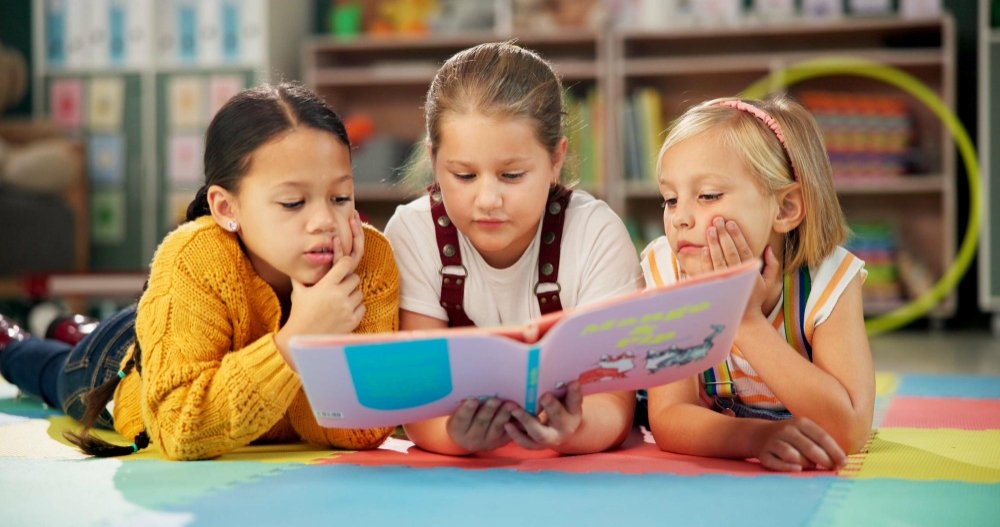
If I had to choose one single habit that does more to improve your child’s education than anything else, it would be reading. Not just reading assigned textbooks, but reading for curiosity and pleasure.
When children read regularly, they build vocabulary, develop comprehension skills, and begin to understand how ideas connect. Research consistently shows that children who read for at least 20 minutes a day outperform their peers in almost every academic subject. But beyond the numbers, reading builds imagination and teaches children how to think through problems and stories.
The best way to start is by making books visible and accessible. Put them in common areas. Read alongside your child. Let them choose books that genuinely interest them, whether that means comic books, animal encyclopedias, or adventure stories. The goal at first is to create a love for reading. Academic improvement follows naturally.
I once watched a mother who had no formal teaching background transform her reluctant seven-year-old reader by spending just fifteen minutes each evening reading alternate pages together. Within three months, the child was reading independently and asking for more books. That is the quiet power of consistency.
2. Stay Actively Involved in Your Child’s Learning
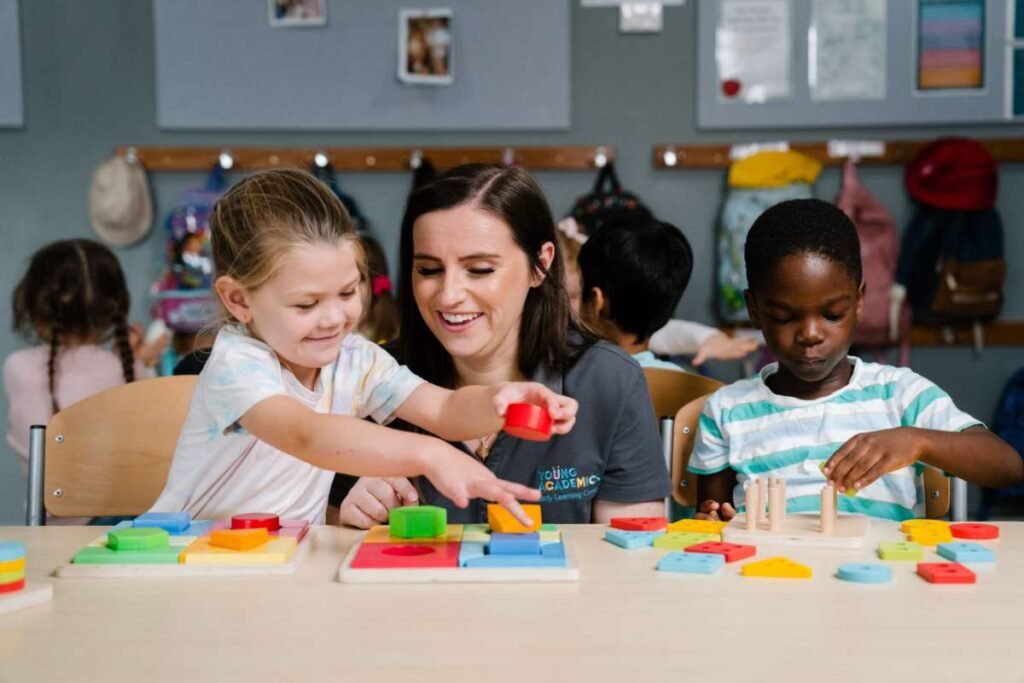
One of the most important decisions you can make to improve your child’s education is deciding to stay involved. Not in a hovering or anxious way, but in a present and engaged way.
Children perform better in school when they know their parents care about what they are learning. This does not mean you need to sit beside them doing every homework assignment. It means asking genuine questions about their day, showing interest in the subjects they are studying, and creating space where they feel safe to talk about what they find difficult.
Attending parent-teacher meetings matters more than many parents realize. Teachers notice which parents show up, and children notice too. When a teacher and a parent are working toward the same goal with open communication, children receive a consistent message that education matters.
At Truth Social Education Guide, we have seen parents describe this involvement as the turning point in their child’s academic journey. Something as simple as reviewing a child’s notebook at the end of the week, or asking them to explain a new concept they learned signals that their learning is valued.
Set a regular time each evening to sit down together, even briefly. Ask what was interesting today. Ask what was confusing. These conversations do more than most people expect.
3. Create a Dedicated and Organized Learning Space at Home
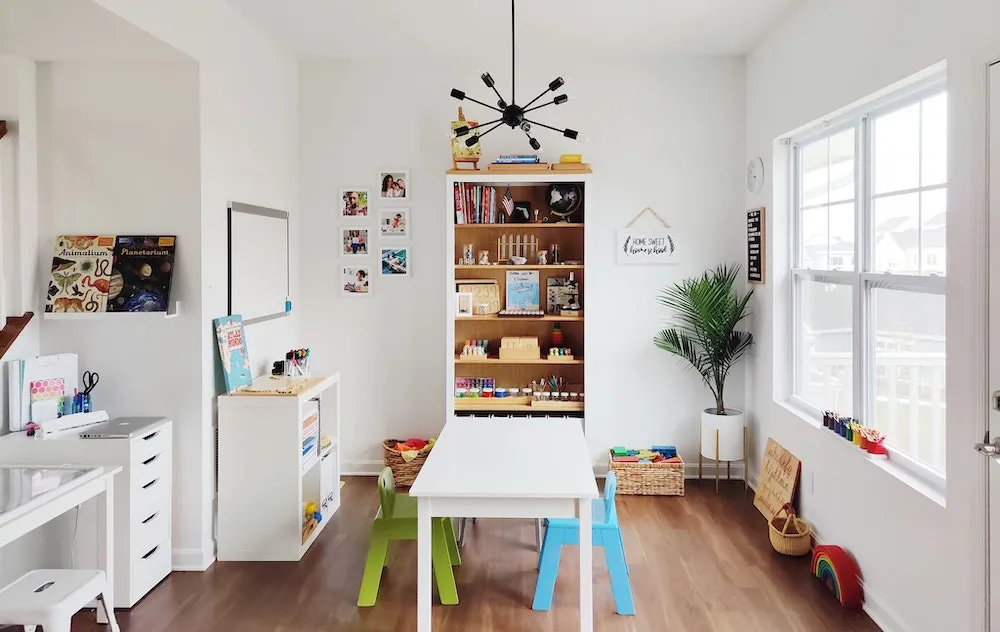
The environment where a child studies directly affects how well they learn. This is something I noticed repeatedly when visiting different homes and speaking with parents about their children’s performance.
A child who sits at a cluttered kitchen table while the television plays in the background is working against themselves, not because they lack ability, but because their environment is working against their concentration. To improve your child’s education meaningfully, the physical space matters.
You do not need a separate room or expensive furniture. What you need is a consistent spot that is associated only with learning. It should be reasonably quiet, well lit, and organized. Supplies like pencils, paper, and whatever the child currently needs for school should be easy to find.
Routine plays an equally important role. When a child knows that after a short rest and snack, study time begins, their brain starts preparing for focus before they even sit down. That kind of habit-building reduces resistance and makes learning feel like a natural part of the day rather than a battle.
Also consider what is around the space. Age-appropriate books, a small whiteboard, or even a map on the wall can spark spontaneous curiosity. Learning does not only happen when the books are open.
4. Limit Passive Screen Time and Replace It With Active Learning

This is a topic that comes up in almost every conversation I have with parents who are trying to improve their child’s education level. Screens are everywhere, and children are drawn to them naturally. The problem is not screens themselves but the passive, uninterrupted consumption of content that offers very little educational return.
Studies have shown that excessive passive screen time, particularly before age ten, is linked to shorter attention spans and reduced performance in reading and mathematics. That does not mean devices are the enemy. Educational apps, documentaries, and interactive learning platforms can genuinely support learning when used with intention.
The keyword is intention. Instead of allowing open-ended scrolling or video watching, try replacing passive screen time with activities that involve thinking, creating, and doing. Puzzles, building blocks, drawing, cooking simple recipes, conducting small science experiments at home, or even educational board games all engage the brain in ways that passive screens do not.
I have seen children who were significantly behind their peers in reading and problem-solving catch up within a year simply because their families restructured how and when screens were used. The learning did not change, but the time and attention available for it did.
Set clear boundaries around screen time, but also give children appealing alternatives. The goal is not restriction for its own sake. It is protecting the mental space children need to think deeply and learn well.
5. Communicate Regularly With Teachers
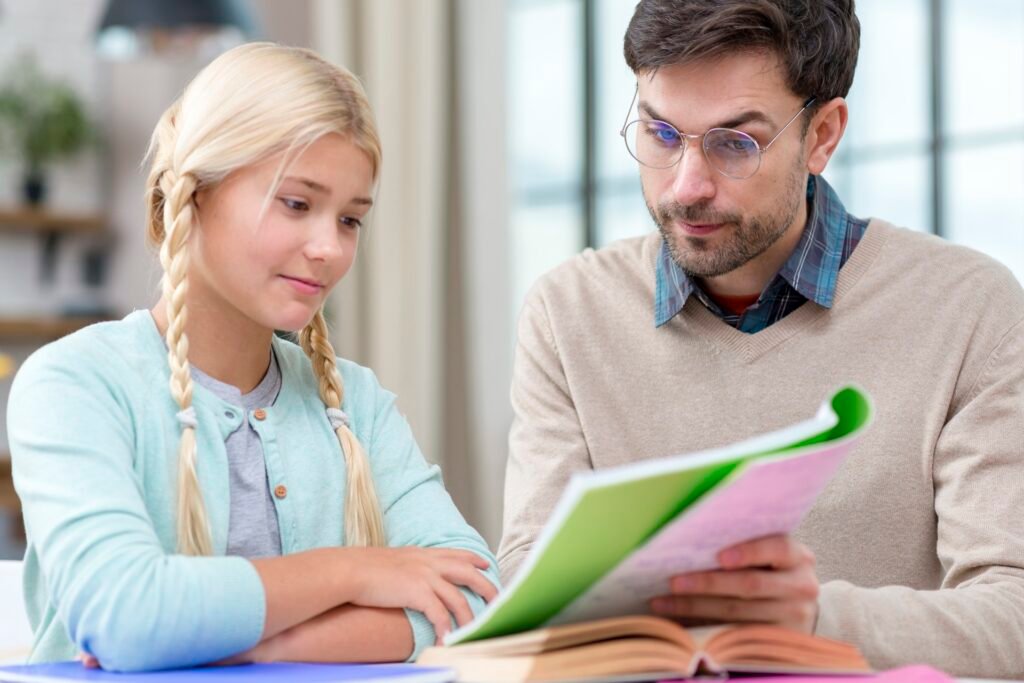
One of the most overlooked ways to improve your child’s education is also one of the most straightforward: talk to their teachers early and often, and take what you hear seriously.
Teachers spend hours each day with your child in an academic setting. They notice patterns that parents may not see at home. A child who seems perfectly confident at home may struggle with reading in a group setting. A child who rushes through homework at the kitchen table may be genuinely lost when faced with a timed test.
Regular communication with teachers helps parents understand where their child actually stands, not just how they feel about school. It also allows you to act before a small gap becomes a significant problem.
When a learning gap is identified, address it without shame or pressure. Many children fall behind temporarily for reasons that have nothing to do with intelligence. A change in class, a personal difficulty, or a particularly challenging topic, these things happen. What matters is how quickly the gap is noticed and how patiently and consistently it is addressed.
If your child’s school offers additional support resources, tutoring programs, or reading groups, take advantage of them. Ask questions. Ask what you can do at home to reinforce what is being taught in class. Teachers genuinely appreciate parents who show up with that kind of honest collaboration.
Conclusion

Looking back at everything I have learned and observed over the years, the clearest truth is this: children thrive when they feel supported, when their environment is consistent, and when the adults in their lives take their learning seriously without making it stressful.
Improving your child’s education does not require perfection. It requires presence. It requires showing up regularly with small, steady actions that build trust, confidence, and curiosity over time.
Start with one habit from this list. Build on it. Watch what happens. The results, when given time, tend to be quietly remarkable.