

Article Highlights
- Stellantis and Factorial Energy have begun the first-ever real-world road testing of solid-state batteries in a production-platform EV in North America.
- The Factorial FEST solid-state battery cells achieved an energy density of 375 Wh/kg with over 600 charge cycles validated.
- Solid-state batteries in testing charge from 15% to 90% in just 18 minutes and perform reliably in temperatures from -22°F to 113°F.
- A modified Mercedes EQS using the same solid-state battery technology covered over 745 miles on a single charge.
- Factorial Energy is now publicly traded on Nasdaq and is collaborating with Mercedes-Benz, Hyundai, Kia, and Stellantis toward commercialization.
Something Big Just Happened in the EV World
I have been watching the electric vehicle space for years now, and there are only a handful of moments that genuinely feel like turning points. This is one of them. Solid-state batteries, the technology that researchers and automakers have been chasing for over a decade, have finally left the laboratory. They are now powering an actual electric vehicle on real roads in North America. That is not a prototype in a controlled environment.
That is a development vehicle driving on the same roads we all use.
At Automotive, we believe this is the kind of progress that deserves a clear, honest explanation. So let me walk you through exactly what happened, what it means, and why you should care.
What Are Solid-State Batteries and Why Do They Matter
Before getting into the news, it helps to understand the basic difference between what powers most EVs today and what solid-state batteries offer.
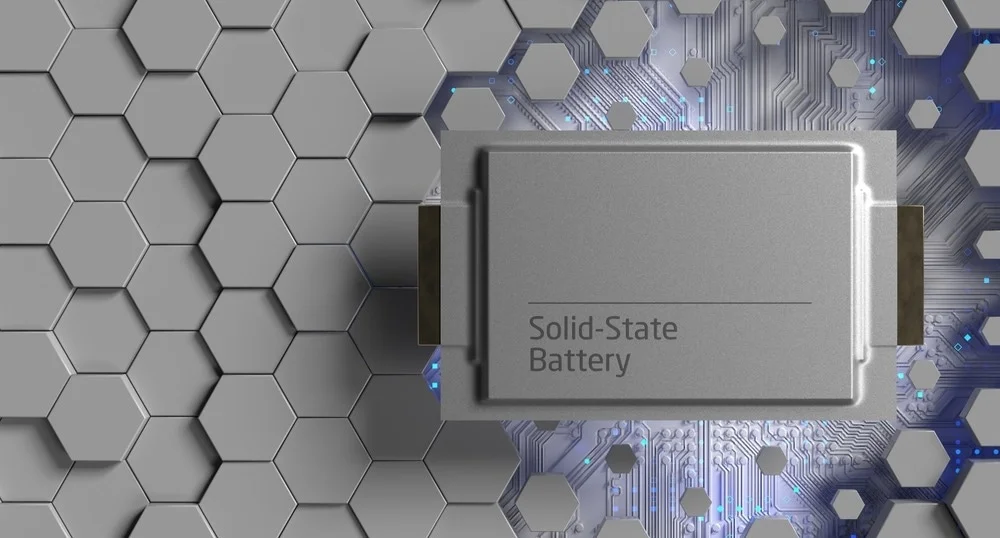
Current electric vehicles use lithium-ion batteries that rely on a liquid electrolyte to move charge between electrodes. That liquid is flammable, degrades over time, and limits how energy-dense and compact a battery pack can be. Solid-state batteries replace that liquid with a solid electrolyte material.
The result is a battery that is safer, more stable, more energy-dense, and capable of charging much faster. On paper, it is a straightforward improvement. In practice, making it work at scale inside a real vehicle has been one of the hardest engineering challenges in the industry. That challenge just got a serious answer.
Stellantis and Factorial Energy
US-based battery company Factorial Energy and automaker Stellantis, the group behind Jeep, Dodge, Chrysler, Ram, and several other major brands, have officially started road testing solid-state batteries in a real vehicle on North American roads. The test vehicle is a Dodge Charger Daytona development car running on Factorial’s FEST cells, which stands for Factorial Electrolyte System Technology.
This is the first time solid-state batteries have been integrated into an EV built on a full production platform in North America. That distinction matters. It is one thing to build a custom test mule from scratch. It is another to fit next-generation battery technology into an actual production architecture, in this case, the Stellantis STLA Large platform, and make it work safely and effectively on public roads.
Getting there was not simple. Stellantis engineers had to redesign the battery pack structure and rework the vehicle control systems to accommodate solid-state batteries and ensure everything operated correctly under real driving conditions. That level of full-stack engineering from the cell level all the way to pack architecture is exactly what separates a lab result from a product that can eventually reach consumers.
The Numbers Behind the Technology
The performance figures tied to these solid-state batteries are worth stopping on because they represent a meaningful step beyond what current lithium-ion technology delivers.
The FEST cells used in the Dodge Charger Daytona development vehicle have been validated at an energy density of 375 watt-hours per kilogram, with more than 600 charge cycles demonstrated. For context, most current EV battery packs operate in the range of 200 to 270 Wh/kg. A 375 Wh/kg figure is a substantial improvement in how much energy can be stored per unit of weight.
On charging speed, solid-state batteries in this test can go from 15% to 90% charge in just 18 minutes. That kind of speed closes one of the most common practical complaints people have about electric vehicles. Charge time anxiety is real, and an 18-minute charge window from near-empty to near-full changes the conversation significantly.
The cells also hold up across a wide temperature range, from -22 degrees Fahrenheit to 113 degrees Fahrenheit. Cold-weather battery performance has been a documented weakness for many current EVs, so demonstrating that solid-state batteries can maintain reliable output in harsh winter conditions is an important real-world checkpoint.
The Mercedes Test That Set a New Bar
Before the Stellantis road test grabbed headlines, there was already a remarkable demonstration of what solid-state batteries can do at their best. Last September, Mercedes-Benz drove a modified version of its EQS sedan more than 745 miles on a single charge using Factorial’s solid-state battery cells. That is not a theoretical calculation or a simulated range estimate. That is a real vehicle driving a real distance.
Mercedes’ technology chief described Factorial’s solid-state battery technology as a potential game-changer for electric vehicles, and after a result like that, it is hard to argue otherwise. The standard EQS already offers a competitive range for a luxury EV. Adding solid-state batteries and pushing it past 745 miles in a single trip reframes what long-distance electric travel can look like.
Factorial’s own projections for their solid-state batteries suggest a 50 percent improvement in driving range over current technology, with a target of over 600 miles on a single charge in production-ready vehicles. If those numbers hold through commercialization, the range argument against EVs essentially disappears.
A Broader Industry Push
Factorial Energy is not working with just one automaker. The company has active development partnerships with Mercedes-Benz, Hyundai, Kia, and Stellantis. That spread of partnerships across multiple major global brands suggests the industry is treating solid-state batteries as a near-term commercial priority rather than a distant research project.
Beyond passenger cars, Factorial has stated ambitions to take solid-state batteries into robotics, aerospace, and defense applications. The energy density and safety advantages that make the technology attractive for EVs apply just as directly in those fields, and the commercial potential goes well beyond the automotive market.
Earlier this week, Factorial also began trading on the Nasdaq exchange under the ticker symbol FAC, following a merger that valued the company at around 1.3 billion dollars. The company received approximately 110 million dollars through that process to fund the commercialization push. Being publicly traded brings both resources and accountability, and it signals that investors see a credible path to large-scale production.
What This Means for EV Buyers
For anyone considering an electric vehicle right now, or waiting on the sidelines to see where the technology goes, this is worth paying attention to.
Solid-state batteries are not shipping in consumer vehicles yet. The current phase is road testing, validation, and engineering refinement. But the pace of that work is accelerating. The fact that engineers have already moved from lab validation to real-road testing on a production platform, within a timeline that would have seemed optimistic just a few years ago, suggests commercialization is closer than many people assume.
When solid-state batteries do reach production vehicles, the combination of longer range, faster charging, improved safety, and potentially lower long-term costs could make the case for electric vehicle ownership much more straightforward for a much larger group of people. These are not incremental improvements. They address the specific friction points that still give some buyers pause.
The Road Ahead
The transition from a 77Ah cell in a test lab to a battery pack in a car driving down a highway is a long and complicated journey. Stellantis and Factorial have now completed that journey in a way that has never been done on this continent before. The engineering work required to get there, cell chemistry, pack architecture, thermal management, and control systems, represents years of focused collaboration between two organizations that took the problem seriously.
What comes next is scaling that work. Manufacturing solid-state batteries in the volumes needed for mass-market vehicles remains a significant challenge, and cost reduction at scale is still an open question. But the milestone achieved this month moves the entire industry’s timeline forward. Solid-state batteries have proven they can power a real EV on real roads. The question now is how quickly the rest of the pieces fall into place.
This article is for informational purposes. Performance figures referenced are based on validated development testing and may differ from final production specifications.