

Article Highlights / Key Points:
- EPA certification documents have officially confirmed the full Tesla Cybercab specs for the first time, including a 163 kW (219 HP) motor and a 47.6 kWh lithium-ion battery pack.
- The Tesla Cybercab weighs 3,113 lbs, which is heavier than many expected for a two-seat vehicle with no steering wheel or pedals.
- The unadjusted EPA range comes in at 418 miles combined, which translates to roughly 293 miles in real-world driving conditions.
- Tesla chose a front-wheel-drive layout for the Cybercab, a first for the company, likely driven by packaging efficiency and cost savings.
- The Cybercab has been introduced into commerce as of May 29, 2026, but it still lacks regulatory approval for unsupervised autonomous driving.
Tesla Cybercab Specs Revealed
When Tesla first showed off the Cybercab concept, I was curious about one thing above everything else: what is actually inside this vehicle? The design was bold, the promise of autonomous ride-hailing was exciting, and the claim of close to 300 miles of range sounded almost too good to be true for such a small electric vehicle. Now, thanks to EPA certification documents that surfaced in late May 2026, we finally have the real numbers, and the Tesla Cybercab specs are genuinely worth talking about.
I cover electric vehicles regularly here at Automotive, and I can say honestly that these EPA filings are one of the most revealing technical documents Tesla has ever had published, intentionally or not.
The certification filing, which was submitted on May 21 and certified on May 26, 2026, carries the EPA test group code TTSLV00.0L1A. This is not a leak or an estimate. These are the official numbers that the US Environmental Protection Agency now holds on record.
Starting with what most people want to know first: the Tesla Cybercab specs confirm a 163 kW motor, which works out to 219 HP. The motor is an AC three-phase permanent magnet unit driving the front wheels through a single-speed automatic transmission. Regenerative braking operates on the front wheels as well. This is a front-wheel-drive Tesla, which in itself is a first for the company and says a lot about how the vehicle was engineered.
The battery is a single lithium-ion pack operating at 326 volts with a capacity of 146 ampere-hours. That works out to approximately 47.6 kWh of energy, which is a modest figure compared to other Tesla vehicles. To put it in perspective, the Tesla Model 3 Standard Range carries around 60 kWh. The Cybercab is smaller, lighter by intent, and designed to prioritize efficiency over sheer capacity. When you charge the Cybercab from a wall outlet, the EPA records a total of 53.365 kWh drawn from the wall, which accounts for the typical losses that happen through the onboard charger. It is worth noting that the Cybercab is primarily designed around wireless induction charging rather than a cable plug.
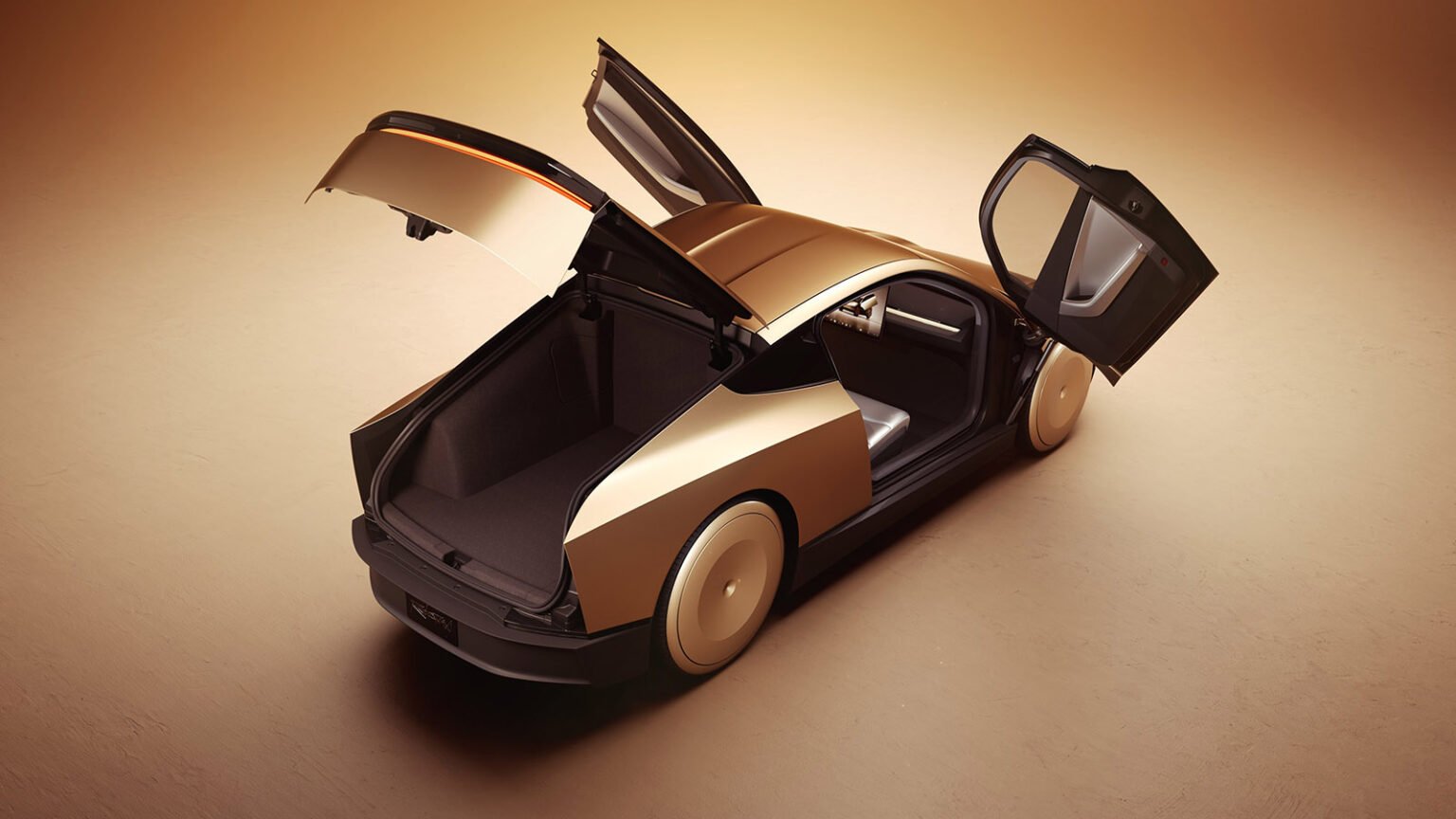
Now, the curb weight. This is where the Tesla Cybercab specs surprised me the most. At 3,113 lbs, the vehicle is heavier than many people, myself included, would have predicted for a two-seat robotaxi with no driver controls whatsoever. There is no steering wheel, no brake pedal, no accelerator pedal. You would reasonably expect all of that removed hardware to shave significant weight. And yet, a Mazda MX-5 Miata, which is also a two-seater, weighs around 2,341 lbs.
A standard Honda Civic with four doors comes in at roughly 2,877 lbs. The Cybercab at 3,113 lbs is heavier than both. The battery pack itself accounts for a large portion of that weight. Based on the specific energy rating listed in the EPA filing, the battery pack alone weighs roughly 680 lbs. The autonomous driving hardware, including cameras and the onboard compute systems, adds additional mass that a standard car would never need to carry.
The gross vehicle weight rating is listed at 3,730 lbs, which means the vehicle has approximately 617 lbs of payload capacity. That is enough for two passengers and a reasonable amount of luggage, but it does not leave much room beyond that.
Moving to range, the Tesla Cybercab specs show an unadjusted combined EPA figure of 418.2 miles and a highway figure of 375.4 miles. These are the raw numbers from the test cycle before the EPA applies its real-world correction factor. That factor is typically around 0.7 for electric vehicles, which accounts for air conditioning use, cold weather, higher speeds, and varied driving styles.
Apply that correction, and you land at approximately 293 miles of real-world range. That aligns almost exactly with what Tesla previously described as “close to 300 miles,” and it also supports the remarkable 165 Wh per mile efficiency rating that was reported earlier this year. To put that efficiency into context, it is currently the most efficient figure ever recorded for a production electric vehicle.
The choice of a 219 HP motor for this vehicle makes engineering sense once you think about it. A stronger motor than strictly necessary running at a light load operates in a more thermally and electrically efficient zone. Tesla’s engineers have used this approach before across their lineup, and the Cybercab appears to be another example of that thinking applied at a very small scale.
The front-wheel-drive layout is a deliberate departure from Tesla’s usual approach. Almost every Tesla on sale today uses rear-wheel drive or all-wheel drive. By placing the motor at the front, Tesla eliminates the need for a rear subframe and a driveshaft, which saves both weight and manufacturing complexity. For a vehicle that is not meant to excite drivers but instead to move passengers efficiently from point A to point B, this is a logical choice.
From a certification standpoint, the Tesla Cybercab specs filing lists May 29, 2026, as the date of introduction into commerce. That date has already passed. The Cybercab is in production at Giga Texas and is technically a vehicle that has entered the US market from an EPA standpoint. However, that does not mean you will be hailing one on your phone tomorrow. Tesla has not yet received regulatory clearance for unsupervised autonomous driving, which is the entire premise of the vehicle. The Cybercab cannot legally operate without a human supervisor until that approval comes through.
For anyone tracking this space closely, the Tesla Cybercab specs we now have on record paint a picture of a thoughtfully engineered vehicle that prioritizes efficiency above almost everything else. The motor is not the most powerful. The battery is not the largest. But together they produce range and efficiency figures that no other production electric vehicle has matched. Whether that engineering translates into a commercially successful autonomous taxi service depends entirely on a question these specs cannot answer, which is when and whether Tesla gets autonomous driving approval.