


Article Key Highlights
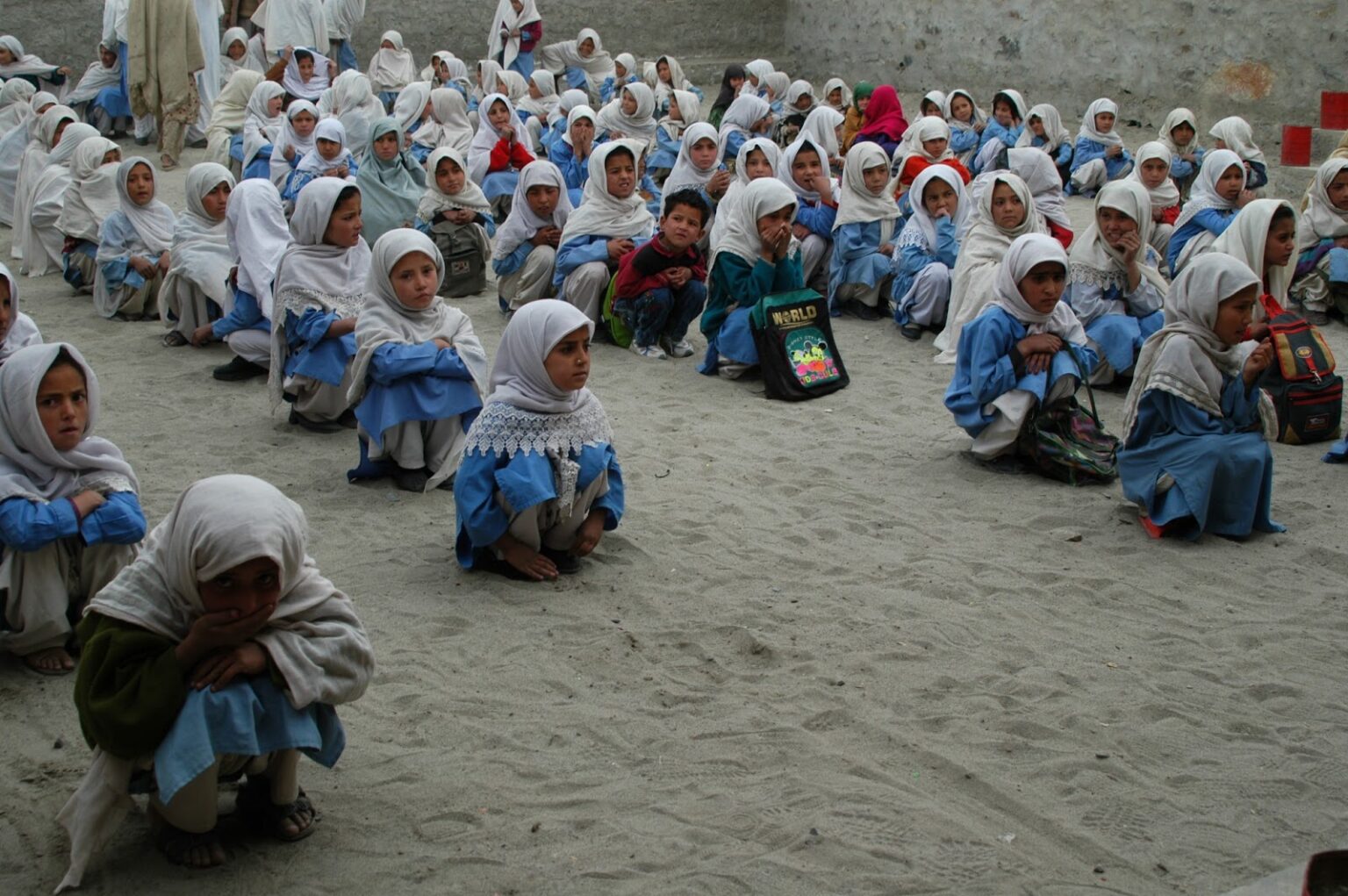
• The education system in Pakistan struggles with a massive out-of-school children crisis, with over 22 million children not attending school.
• Chronic underfunding, political interference, and curriculum gaps are the leading reasons behind the poor state of education in Pakistan.
• The government must increase education spending to at least 4 percent of GDP and eliminate budget mismanagement at the district level.
• Teacher training, merit-based hiring, and regular performance evaluations are critical government responsibilities that remain largely ignored.
• A unified national curriculum, stronger literacy programs, and digital learning investment can rebuild the education system in Pakistan from the ground up.
A Crisis Too Big to Ignore
When I look at the state of education in this country, I feel a mix of sadness and frustration. The education system in Pakistan has been in trouble for decades, and despite countless policy papers and political promises, not much has changed on the ground. Classrooms remain overcrowded. Teachers go unpaid for months. Millions of children sit at home instead of school. And the government, which holds the greatest power to fix this, has historically treated education as a secondary concern rather than a national emergency.
This article is not about blaming anyone. It is about understanding what is actually broken in the education system in Pakistan and laying out what the government must do, in practical and honest terms, to bring about real change. The future of this country depends on how seriously the government takes its role in reshaping education for every child, regardless of province, income, or gender.
Why the Education System in Pakistan Is Poor and Getting Worse
Before we talk about solutions, we need to be honest about why the education system in Pakistan is in such a poor state. The problems are not new. They have been building for generations, and ignoring them has only made things worse.
1. Critically Low Government Spending on Education
Pakistan spends less than 2 percent of its GDP on education, which is one of the lowest rates in the entire region. Compare this to countries like India or Bangladesh, which spend considerably more. When there is not enough money flowing into schools, everything suffers: infrastructure, teacher salaries, learning materials, and basic facilities like clean water and functioning toilets. In many rural schools I have visited or read about, the roof leaks, and the chalkboard is cracked. That is not a learning environment. It is a signal that the education system in Pakistan is not being taken seriously at the budgetary level.
2. Millions of Children Are Out of School
Pakistan has over 22 million out-of-school children, the second-highest number in the world. This is not just a statistic. These are real children, mostly from low-income families and rural areas, who have no access to even basic literacy. The education system in Pakistan fails them before they ever get a chance to enter a classroom. Poverty forces families to send their children to work instead of school. The absence of schools within walking distance, especially for girls in conservative areas, makes the situation even harder.
3. Political Interference and Lack of Accountability
One of the most damaging forces working against the education system in Pakistan is political interference. Teacher appointments and school principal selections are often made on the basis of political connections rather than qualifications. Ghost schools, which exist only on paper, drain funds without providing any real service. Ghost teachers collect salaries without ever showing up to work. This level of corruption has rotted the system from within, and without genuine accountability, no reform can survive.
4. A Broken and Outdated Curriculum
The curriculum taught in many government schools is decades behind the times. Students memorize content without developing critical thinking or problem-solving skills. There is little emphasis on science, technology, or practical skills that would prepare young people for the modern job market. The education system in Pakistan has not been redesigned to match the needs of the 21st-century economy, which leaves graduates unprepared for work and life.
5. The Gender Gap in Education
Girls in Pakistan face significantly higher barriers to education. In rural and conservative areas, cultural restrictions, lack of female teachers, and poor school infrastructure keep girls at home. The literacy rate for women in Pakistan remains far below that of men. The education system in Pakistan will never reach its potential if half the population is being left behind.
6. Poorly Trained and Demotivated Teachers
Teachers are the backbone of any education system, yet in Pakistan, many teachers are either unqualified or poorly trained. Many entered the profession without proper pedagogical preparation. Once hired, they receive little to no ongoing professional development. Add to this the problem of irregular salaries and a lack of career progression, and you have a teaching force that is burnt out and undervalued. The education system in Pakistan cannot improve without first investing in the people who deliver it.
7. The Growing Divide Between Public and Private Schools
A visible and troubling divide has grown in Pakistan between the quality of private schools and government schools. Wealthy families pay for private education while the poor depend on a crumbling public system. This gap creates a two-tiered society where access to quality learning is determined by income. The education system in Pakistan is increasingly unequal, and this inequality will have long-term consequences for national development and social cohesion.
8. Multiple Education Systems Without a Unified Standard
Pakistan operates several parallel education systems, including government schools, private schools, madrasas, and elite English-medium institutions. Each teaches different content, in different languages, with different outcomes. This fragmentation creates confusion and inequality. The education system in Pakistan needs a unified national standard that applies across all types of institutions so that every child receives a comparable quality of learning.
The Government’s Role: What Must Change
The government is not the only actor in education, but it is the most important one. No amount of private effort or civil society work can substitute for strong, committed, and well-funded government action. Here is what I believe the government must do to genuinely improve the education system in Pakistan.
Increase Education Spending Significantly
The single most impactful step the government can take is to allocate more money to education. Pakistan needs to reach at least 4 percent of GDP in education spending, as recommended by international bodies like UNESCO. This funding must go directly to schools in the form of better infrastructure, quality learning materials, teacher salaries, and technology. But spending more money alone is not enough. Transparency and proper auditing of how that money is used must go hand in hand with increased budgets. The education system in Pakistan has suffered not just from a lack of funds but from the misuse of the available funds.
Prioritize Universal Enrollment and Attendance
Getting children into school is the first step. The government must build more schools in underserved areas, especially in rural Sindh, Balochistan, and parts of KPK, where access is lowest. Conditional cash transfer programs, similar to what has worked in other developing countries, can give low-income families the financial support they need to send their children to school instead of work. Making education free up to the secondary level and enforcing compulsory education laws with real consequences would send a clear signal that the education system in Pakistan is serious about enrollment.
Reform Teacher Hiring, Training, and Accountability
No reform of the education system in Pakistan can succeed without fixing how teachers are selected and supported. The government must enforce merit-based hiring for all teaching positions, removing political interference from the process entirely. New teachers should complete proper training programs before entering classrooms. Existing teachers should receive regular refresher courses and professional development workshops. A clear career progression pathway with performance-linked incentives would motivate teachers and reduce absenteeism. Regular, independent school inspections should be introduced to monitor both teacher attendance and classroom quality.
Modernize and Unify the National Curriculum
The government has already made moves toward a Single National Curriculum, which is a step in the right direction. But implementation has been uneven and contentious. A unified curriculum must be designed with input from educators, psychologists, and industry experts. It should move away from rote memorization toward analytical thinking, creativity, and problem-solving. Science, mathematics, environmental awareness, and digital literacy must be given greater weight. The education system in Pakistan needs a curriculum that prepares students for real-world challenges, not just examinations.
Invest in Girls Education and Remove Barriers
The government must treat girls’ education as a national priority, not a secondary concern. This means building more girls-only schools in rural areas, recruiting and training more female teachers, providing safe transport options, and working with community leaders to shift cultural attitudes. The education system in Pakistan will only reach its true potential when girls have equal access to quality learning. Studies consistently show that educating girls produces a multiplier effect across health, economics, and future generations.
Eliminate Ghost Schools and Ghost Teachers
The government must conduct a nationwide audit of all public schools and registered teachers. Ghost schools must be closed or replaced with functional institutions. Ghost teachers must be removed from the payroll immediately. A biometric attendance system for teachers, already piloted in some provinces, should be expanded across the entire country. The money saved from eliminating fraud can be redirected into actual classroom improvements. Corruption in the education system in Pakistan is not just a financial problem. It is a moral one that robs children of their future.
Integrate Technology and Digital Learning
Technology can be a powerful equalizer in the education system in Pakistan. The government should invest in providing schools with internet connectivity, computers or tablets, and digital learning tools. In areas where teacher shortages are severe, recorded lessons by master teachers can be broadcast to classrooms via television or radio, a model that has worked in several African countries. A national digital education portal with free resources in Urdu and regional languages would extend the reach of quality learning to children who might not have consistent access to trained teachers.
Decentralize Decision Making and Strengthen Local Governance
One of the structural weaknesses in the education system in Pakistan is that decisions are often made far from the schools themselves. Provincial education departments need stronger capacity and clearer mandates. At the local level, school management committees with real authority over budgets and decisions can bring accountability closer to where it is needed. When parents and community members have a genuine say in how their local school is run, outcomes improve. This kind of decentralization, done properly, can make the education system in Pakistan more responsive and more effective.
Address the Madrasa Education Gap
Millions of children in Pakistan, particularly from low-income families, attend madrasas for their education. Many of these institutions provide no modern secular subjects, leaving students unable to enter the formal job market. The government must engage constructively with madrasa leadership to introduce mathematics, science, and computer literacy alongside religious instruction. This is a sensitive area that requires diplomacy and patience, but it is necessary for the education system in Pakistan to function as a whole. Leaving madrasa students behind is not just an educational failure. It is a long-term social and economic risk.
What a Better Education System in Pakistan Would Look Like
Imagine a Pakistan where every child, regardless of where they were born or how much money their parents have, walks into a clean, well-staffed classroom each morning, where teachers arrive on time because they are paid fairly and valued professionally, where girls in rural Balochistan have the same educational opportunities as boys in Lahore. Where the curriculum teaches children how to think, not just what to memorize, this is not a fantasy. It is what a properly functioning education system in Pakistan could look like if the government made consistent, honest, and strategic investments over the next decade.
Other countries that were in similar situations, like South Korea in the 1960s or Rwanda more recently, transformed their education systems through strong political will and sustained investment. Pakistan has the population, the talent, and the resources to do the same. What it lacks is the consistent political commitment to treat the education system in Pakistan as a genuine national priority rather than a talking point during election season.
The Government Must Lead the Way
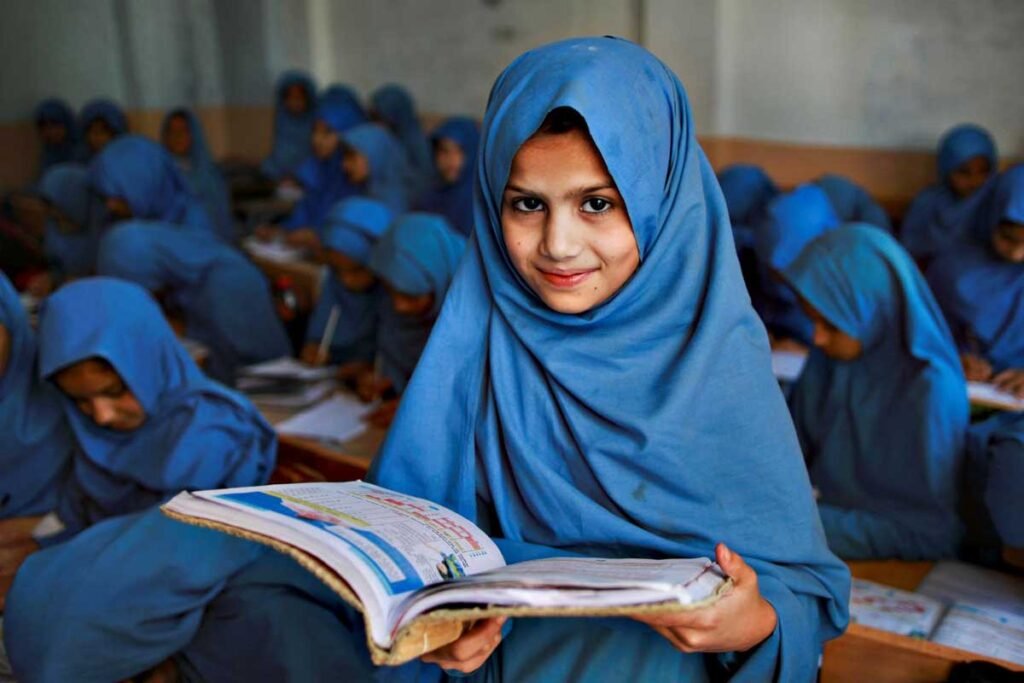
The education system in Pakistan is not beyond repair. But it will not fix itself. The government has a clear and unavoidable responsibility to lead this transformation. That means spending more, planning better, eliminating corruption, training teachers, and most importantly, making every decision with the child at the center of it.
Every year that passes without meaningful reform is another year that millions of children fall further behind. The education system in Pakistan deserves better leadership, better resources, and better outcomes. The government is the only institution with the scale and authority to deliver all three. The question is not whether reform is possible. The question is whether there is enough political will to make it happen. For the sake of the next generation, the answer must be yes.